A blog originally for keeping track of my hobby of being a Beekeeper which has evolved to include Home Brewing and even more recently to follow me and my families approach to "The Good Life". Eventually I hope to include baking recipes and stories of our flock of chickens also reporting on the success and failure at the allotments.
Malta is a tiny country in the Mediterranean closest to Sicily. It takes barely an hour to travel from one end of the island to the other (it takes even longer if you keep going the wrong way and having to backtrack). The name Malta is thought to derive from the Greek word μέλι or meli, which means honey and the ancient Greeks called the island Μελίτη, pronounced Melite (info taken from good old Wikipedia). This is believed to be due to Malta having its own endemic species of honey bee and being well known for its honey production.
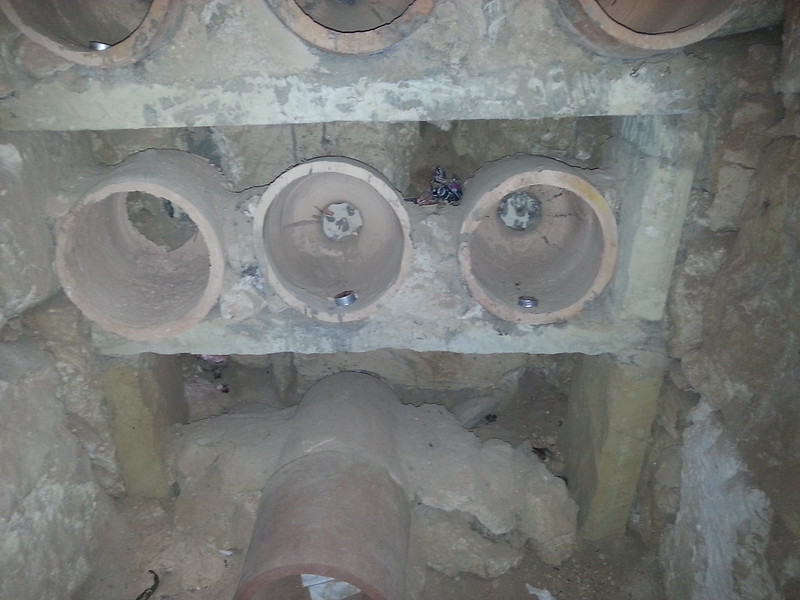
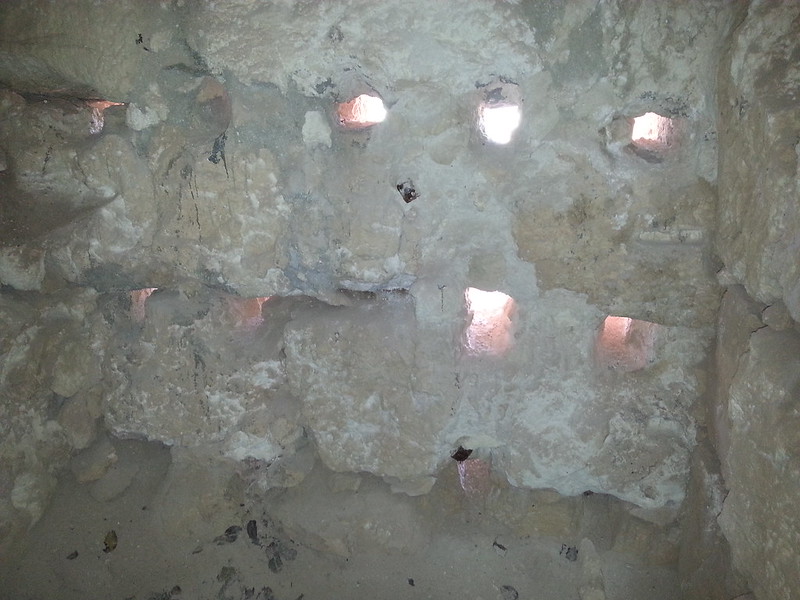
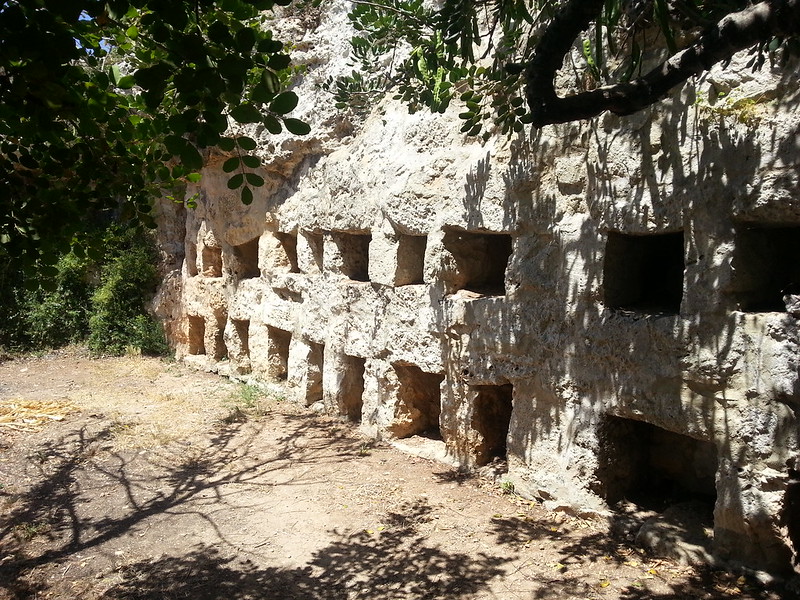
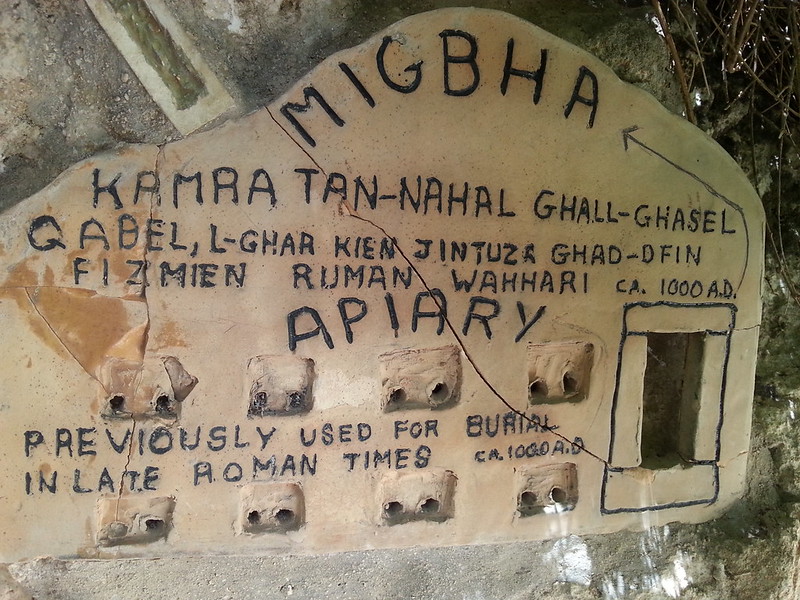
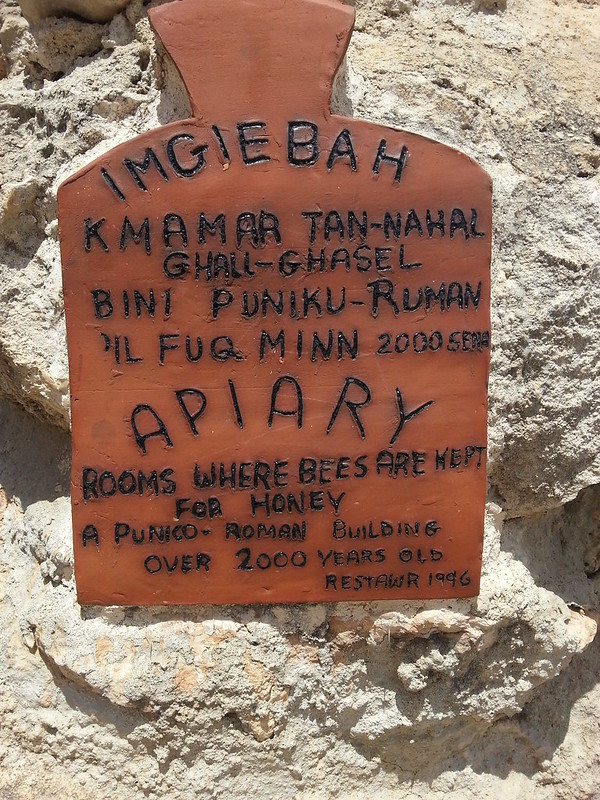
Me, Steph, Lauren and Steph's Aunt have just come back from a 10 day holiday in Malta and in that time got to see a large amount of the tiny Mediterranean island and it's even smaller island, Gozo. Whilst we were there we had various sites we wanted to visit, including some that were used to film the first series of Game of Thrones! One site I really wanted to see was in a town called Xemxija, near the north of the island. In this town there is an area which has several ancient sites including burial grounds, a Bronze Age village site, Neolithic remains and a Roman apiary site! Not surprising the area I was most interested in was the ancient apiary site. At the end if this post there will be some photos showing the area.
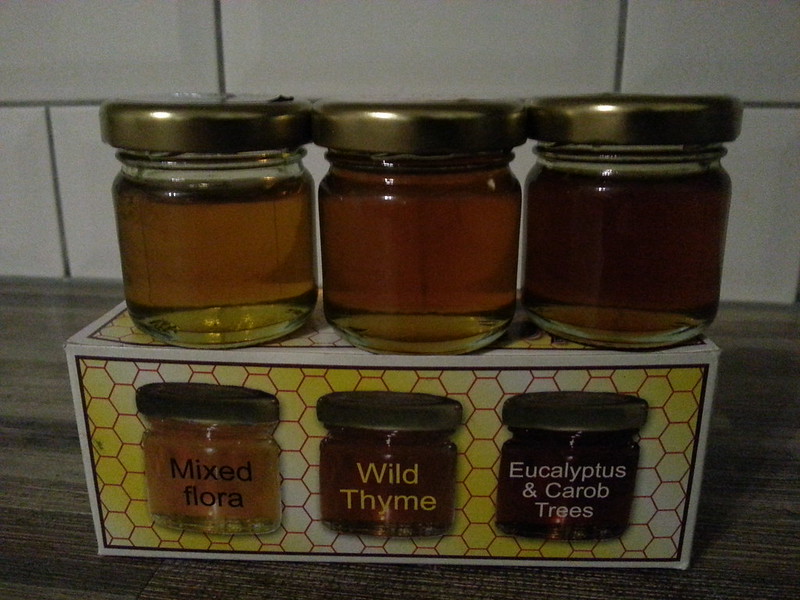
On Sundays there is a major fish market held in a town called Marsaxlokk, to the southeast of the island near to where we were staying. The town is fairly peaceful and quiet during the week but on a Sunday it seems like half the island descends upon this area for the fresh fish that is sold there. By the time we got there the market was well up and running and there were a large variety of fish and shellfish that I recognized and even more that I couldn't. Steph and Lauren weren't too impressed with the smell of the fish although in my opinion it wasn't too bad. Although it is best known as a fish market there was also plenty of fresh fruit and vegetables plus toys, clothes and general tourist tat. There was also a stall selling local honey. I bought a sample of 3 varieties of honey from the lady and also talked to her for a short while. Her husband is the Beekeeper and he has over 100 hives spread over Malta and Gozo. I'm a long way off having the time, patience, equipment and sanity to have that many Bees but maybe when I retire it could be an option. Below are lots of pictures of the Bee related parts of the holiday.
The 3 sample honey's I bought at Marsaxlokk
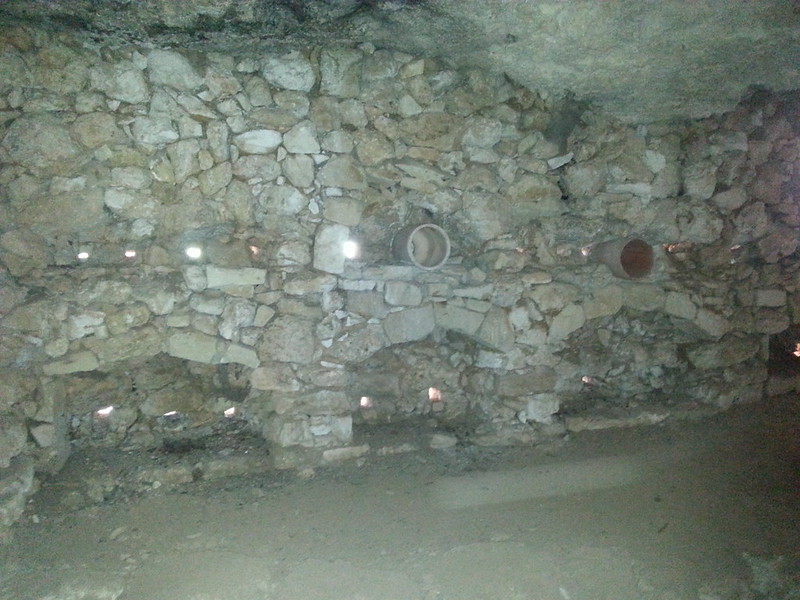
Inside one of the apiary caves - The bees would have been kept in these upturned jars.
More inside the cave.
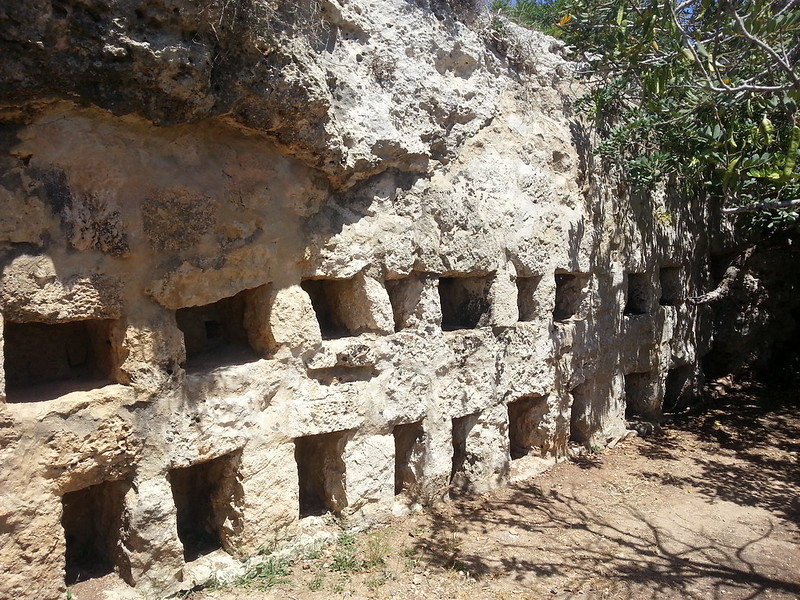
The apiary site from outside.
Yet another inside the caves.
A different apiary site in same area.
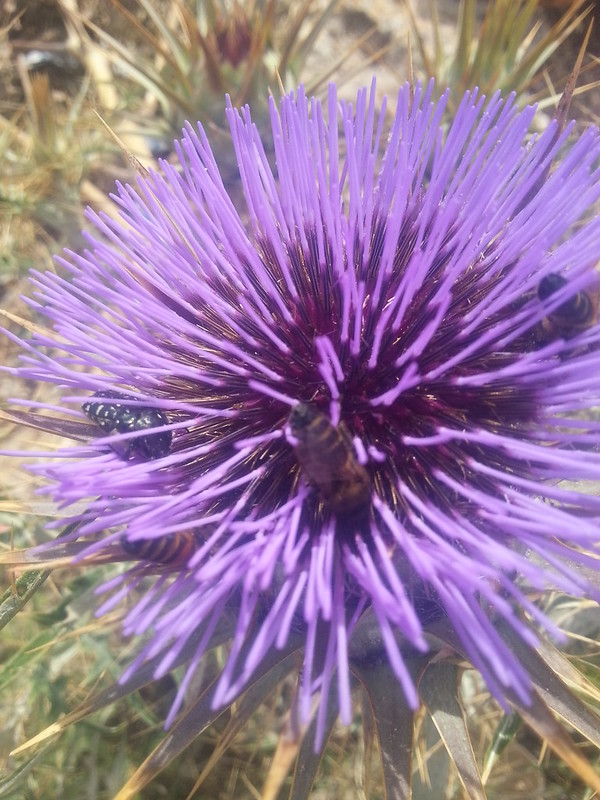
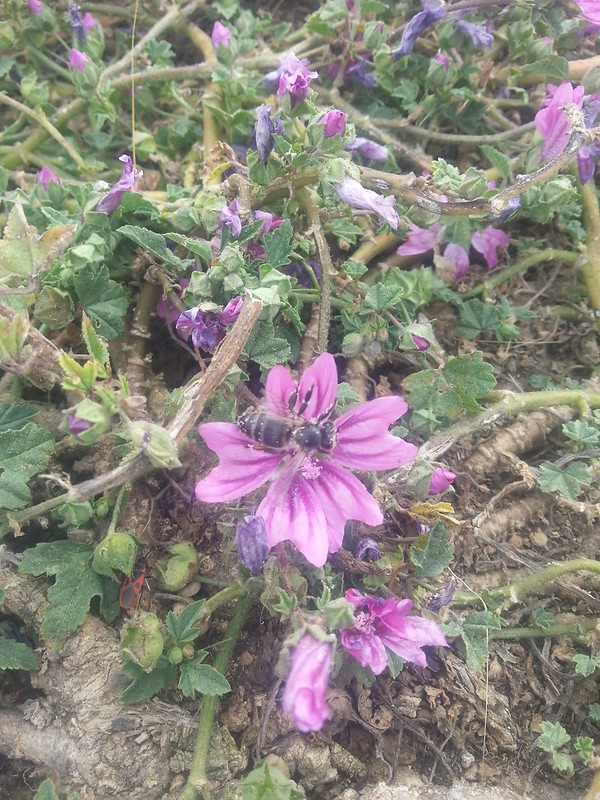
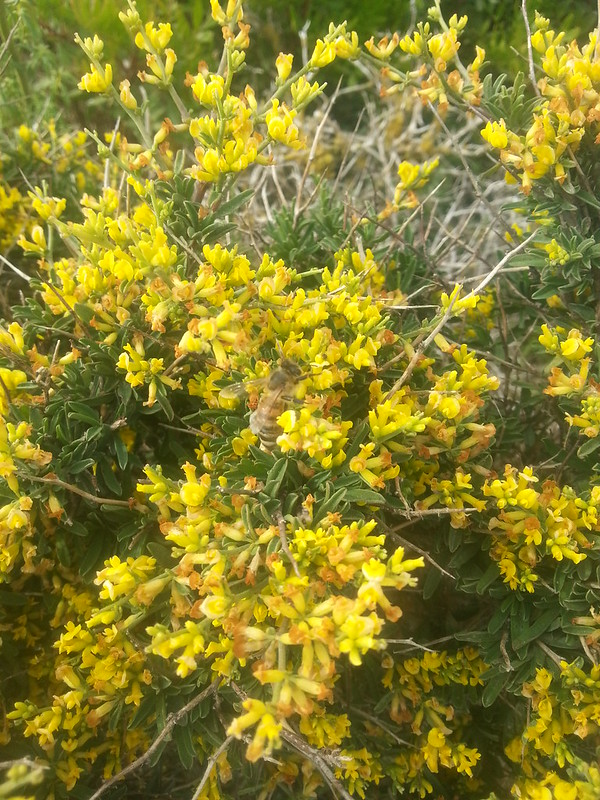
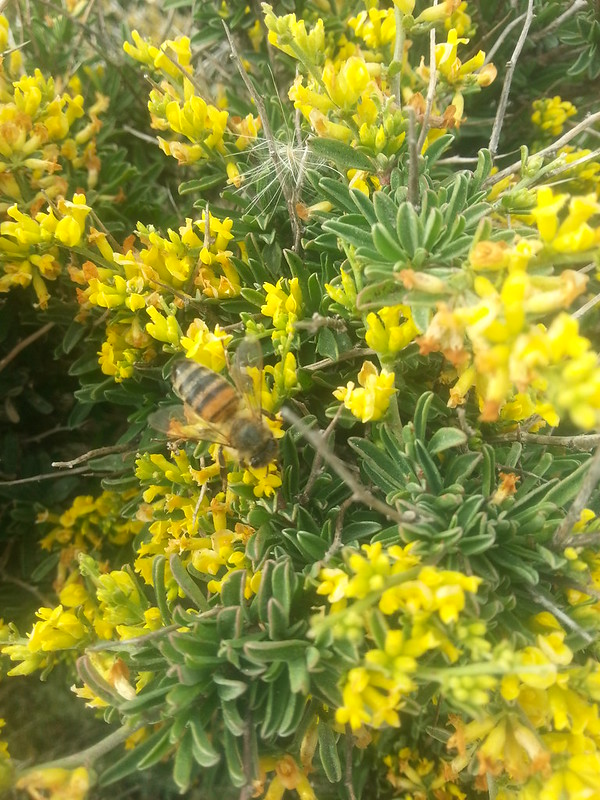
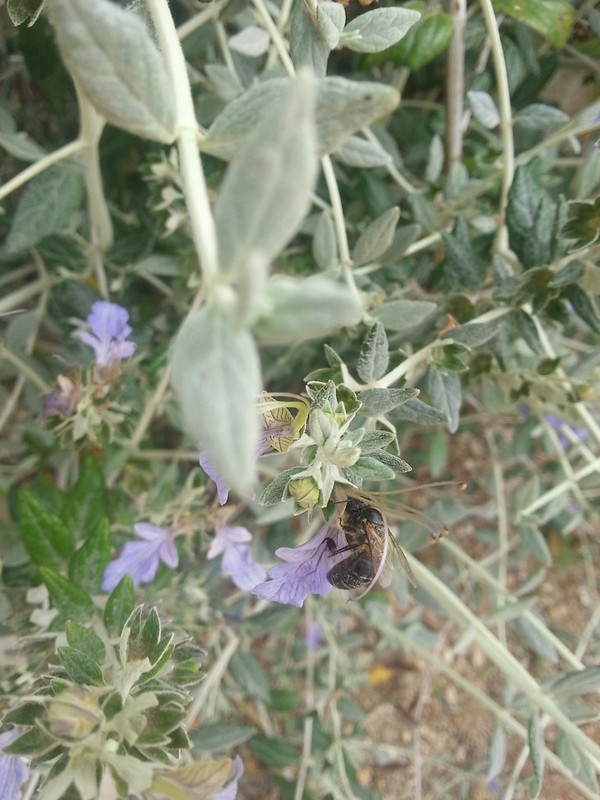
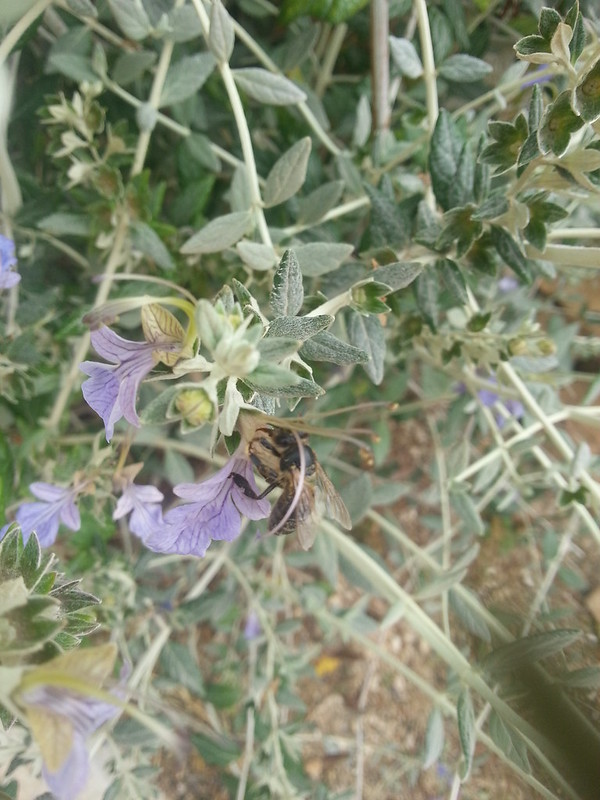
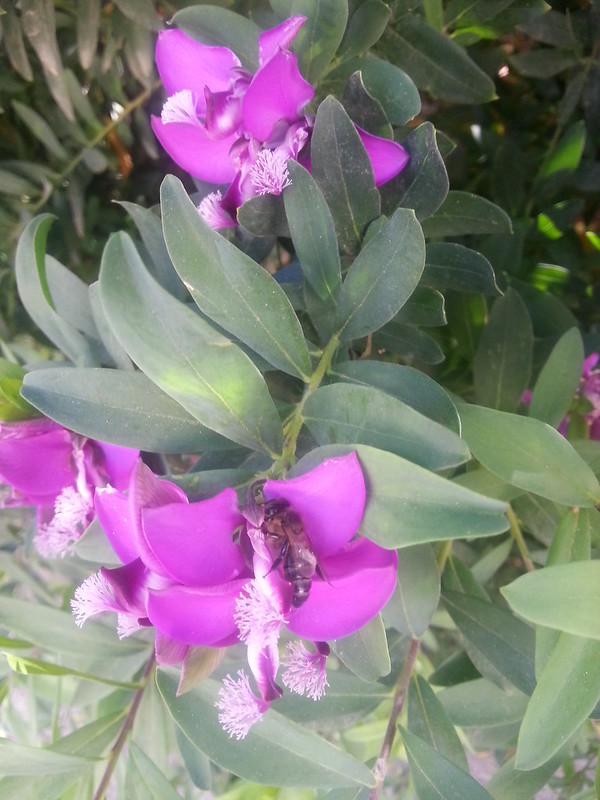
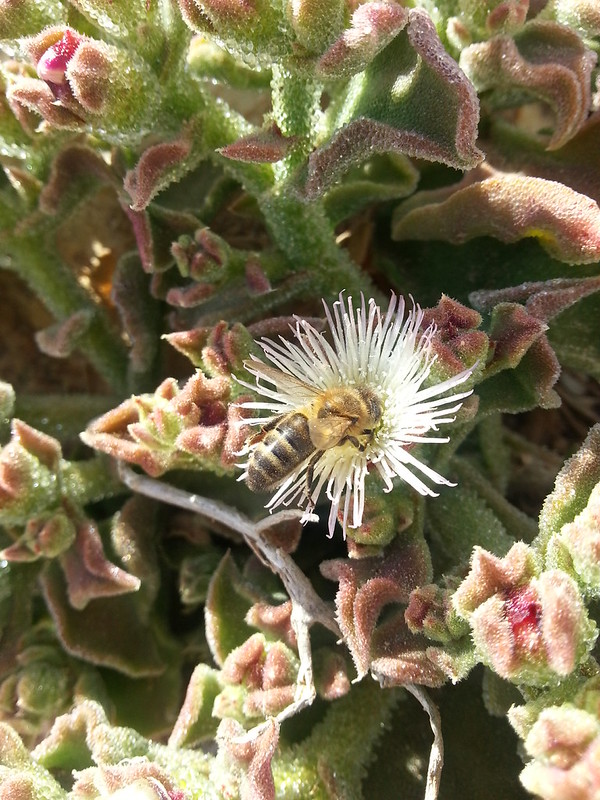
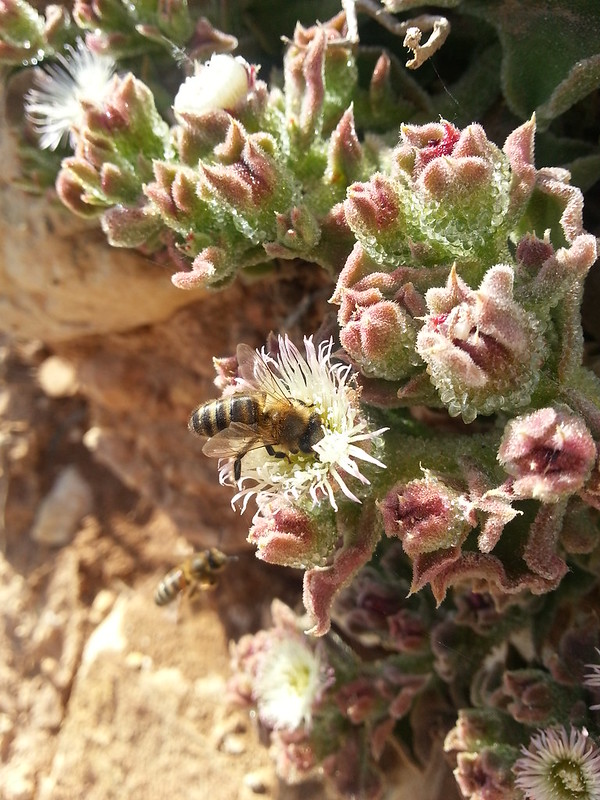
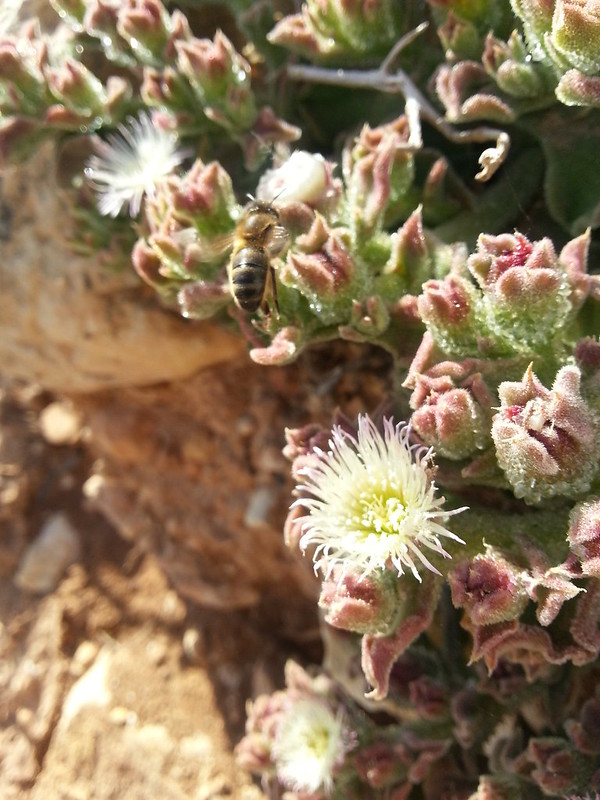
Below is a small selection of the photos I took of Bees on flowers.
Another scorching day in the area I live and also the day I went to check on the Bees. Prior to my inspection I had made a few new frames up ready to be put in the Nucleus hive with a newly mated Queen I had seen last time I went. I'd also arranged to meet with my Brother-In-Laws Dad, Mick, as he has an interest in insects and Bees. He has several colonies of ants that he keeps. I may at some point get the pleasure of seeing them and writing about them.
We met at the land and got the smoker lit and suited up ready to look in the hives. It was sweltering heat and before long I had sweat pouring off me. We started with the Nucleus hive that had the newly mated Queen in it and I began transferring the frames to a full sized hive so they had room to expand. We did manage to see the Queen although she is slightly small at the moment, hopefully she will get a little bigger than she is now or I may have to replace her. There was also plenty of eggs and larva present so I'm hoping that she has bred well and will not need replacing. Due to her currrent size I decided not to mark her yet.
The next hive was my main hive and we found the Queen fairly easy in there as well. As I am trying to increase my hives I used something called a snelgrove board which I have made earlier in the year. The board is used to manipulate the Bees and can be used as either a swarm control method or for making increases while at the same time not interferring with honey production. It works by seperating the brood and the Queen making them think they have swarmed and reducing the tendancy for them to want to leave. The seperated brood, with its young Bees, will then create a new Queen effectively making 2 colonies altogether. From there you can either split the 2 brood chambers or unite them back to one, although you need to get rid of one of the Queens to do this. The method is easier to explain when you're at the apiary then in writing so will leave it at that! I will probably do a more detailed post when I can describe it better.
While we were checking the brood box I noticed that the Bees had created a full comb of honey where I'd left a gap. I managed to pry this out without damaging this too much and shared the comb with Mick. He was more than impressed to be taking some honey home with him! When I checked the super that I had above the brood chamber I was excited to feel how heavy it was and my next post will probably be about honey extraction!
Mick with the honey comb.
We couldn't find anything to put the comb in so it is wrapped in a couple of latex gloves!
The snelgrove board. This is a picture of it unfinished. The finished version has a hole in the middle with a fine wire mesh over it.
After work today I visited my apiary to check on the Bees and see how my nucleus hive was getting on. Upon arrival at the land I was greeted by my Dad and Brother-in-law working hard at the land. My Brother-in-law was busy wrestling with some more clay in the ground and I'm not sure what my Dad was doing but he was rather sweaty. I had a quick chat with them then lit my smoker ready to get into the hives.
The first hive I inspected was the nucleus hive which I made last Wednesday. I gave it a really small puff of smoke and opened it up. Within the second frame I saw what I was hoping to see which was a Queen cell dangling off the face of one of the combs. As this cell that I saw was already capped it must be at least 8 days old which means in just over a week she should hatch and then with some good weather do her maiden flight and get mated with drones.
Queen Cell
Next was the main hive and to start with I checked the super I put on last week for any honey. At the moment there is no honey in there but under the Queen excluder in the half brood box below there about 3 frames almost absolutely full of honey and also mostly capped. This is the honey that I will be leaving them as stores for a couple of reasons. Firstly they worked hard for it so they deserve it and secondly as there has already been brood raised in the cells it may taint the honey. The honey in the super is on a combination of drawn out clean frames and foundation only frames so will be clean for when they start filling it with honey.
When I moved onto the main brood chamber I was keeping an eye out for the Queen and any signs of Queen cells. Within a few cells I had found everything I needed to find but not what I wanted to see; I needed to see eggs, pollen and larva but I wanted to see the Queen! After a couple more frames I was rewarded with a sight of Her Majesty!
When I had finished the inspection I put the hive together and went over to help my Dad move some equipment around the land. We moved a large storage box to a corner and when we got there we saw a frog. Unfortunately it was a rather camera shy little beast and kept jumping away before I got a decent picture of it but you can just see it in the below picture.
About a month ago I purchased my third full hive and have been building it and painting it over the last few weeks. As with the last hive I bought, this one is from www.fragile-planet.co.uk. The last hive I bought from them was fairly easy to construct and had 2 supers, this hive has 3 supers included and was incredibly easy to construct; this one just seemed better made, the saw cuts more precise and smooth. I had heard people at my local Bee meeting say to avoid them but I have had no issues with them. Below is a picture of the hive fully built but the supers haven't been painted yet. The reason I paint them is because they are made of ply boards rather than cedar which doesn't need to be painted. Also in the picture at the far right you can just see a demijohn full of elder flower wine, there'll be a post on that later!
The reason I started with the building of the hive is that today I took the hive up to the apiary to move the swarm into from the nuc box that it was in. The supers are still unpainted in my loft as I have a couple of spare supers ready anyway so there is no urgency to finish them. So from the above picture I took all the bits that are painted white up to the allotment, stopping off at my Dads to pick the keys up for the gate.
The Bad News!
The first hive I inspected when I arrived at the apiary was the first hive I bought. The last mention of this hive was in a previous post, that can be found here, in which I mentioned the multiple eggs in the cells, possibly indicating laying workers or a new Queen that hasn't learnt to lay properly; in the last weeks since then I have checked on them a couple of times and all the brood has been drone brood, when I went today there was no brood, no eggs and no sign of a Queen. What I think has happened is that I did have a Queen but due to bad weather she never managed to get mated and so started laying drone brood. After a couple of weeks of this I believe the workers have committed regicide (killed the Queen) due to her ineptness. The problem with this is that the Bees have no means to make a new Queen. Due to this I have taken a frame of eggs from one of my other hives and after shaking all the Bees off the frame, placed it into the hive. I'm hoping next time I check the hive I will see a Queen cell or 2 on the frame.
The Worse News and Good News!
When I opened the nuc hive I had a bit of a shock. Over the last few weeks I have been feeding the hive with sugar syrup but due to lack of space in the nucleus hive I was unable to put a frame feeder in so used a baggy feeder; this is basically a plastic bag with syrup in that has a cut in the top so the bees have access to the syrup. I think that the cut I made in the bag could have been too large and the syrup leaked all over the back of the hive because when I lifted the lid one end was covered in mould! The majority of it was on the hive rather than the frames so it wasn't as bad as could be, the Bees were still doing well, but the hive may be beyond repair as the mould was quite thick and wouldn't wipe off. The better news is that I have managed to move the frames over to the newly built hive successfully and put a frame feeder in full of syrup so hopefully no more mould! This hive is the one with Queen Bee-atrix in who is marked with a white dot so really easy to see. I easily spotted her when passing the frames over. I haven't taken a picture of the moldy hive but have taken a picture where you can see part of the frame that has been marked.
The Better News!
The last hive I checked is my first hive I bought from fragile-planet and also the one that the swarm came from. I haven't seen any evidence of having a Queen in any of the checks I've done since the swarm left the hive but I also have tried not to disturb the hive too much until today. When I opened the hive everything seemed good. The frame feeder was empty so I filled it with syrup and will keep feeding them until they are successfully storing their own honey. The first frame I checked was doing well, the Bees had drawn half the bare foundation out into comb and better still the next frame had eggs in it! This means I have a successful laying Queen somewhere as the eggs were nice and neat at the bottom of the cells in a good solid pattern. While inspecting this frame I noticed a rather large Bee on the side bar of the frame. I had to look twice and when it sunk in I realized I was looking at a Queen! I was delighted, I'd managed to find an unmarked Queen, albeit she was on a frame that wasn't fully occupied and when I first saw her she was on her own. I quickly got my marking cage and pen out one handed and then attempted to catch her in the cage. My first couple of attempts were fruitless but I eventually managed to trap her in there and gently press it down so she couldn't move around too much. I then carefully put a small white dot on her back (and a few dots of white on the wings of the workers around her) and left her for a few minutes for the paint to dry. I couldn't get a picture of her as I had a frame in one hand while in the other I was juggling the pen and hive tool. When I was happy the paint was dry I carefully replaced the frame and checked the last few frames. As I was putting the hive back together I noticed a Bumblebee had landed on a piece of equipment I had lying around.
I also took a picture of some borage that we are growing next to the apiary. Honeybees apparently go mad for borage. At the moment it looks rather unimpressive but when the blue flowers are opened up it will look great.
Just over a week ago I got a text message from Dad who was up at his allotment doing allotment things. I get fairly regular texts from him when he is up there, especially when it is good weather. The normal text that I receive from him reads either "Uggins a bees out" or "Not many bees art today", which to a Yorkshireman makes perfect sense but to others may not be as easy to comprehend; The translations are "Lots of bees are flying in and out of the hive today" or "There aren't that many bees flying today". The day I'm making reference to today was a quite different message, it read "Emergemcy aig swarm of bees in pear tree" which should read "Emergency a big swarm of bees in pear tree" but he is also not the best at texting but I'll let him off for that. When I'd received the text I got excited but also a bit worried as I didn't know how long it had been there or how long it would stay there. I also wanted to know if it had come from my hives.
I wasn't available to go straight there so as soon as I was I rushed up there with my nuc hive that I built earlier in the year with the aim of trying to catch it. Upon arrival I had a walk over to see how big the swarm was. Now even though I've never seen a swarm before I believed this to be one of fair size, below is a video of it. I apologise for the heavy breathing in the video, I had a bit of a cold at the time and sounded a bit like Darth Vader!
The next thing I did was put the nuc hive under the swarm. I took another video at this stage but all it shows is the hive under the swarm. It's here if you want to see it but it really doesn't show anything different.
After I had my equipment in place I started trying to get the Bees to go in the nuc hive. One way I've seen of doing this on youtube is to literally grab handfuls of Bees and place them in the hive. I tried this and it wasn't really working in doing anything other than annoying them, so much so that I received my second ever sting from my Bees and it was right on my backside! No, this method wasn't working. I decided that it was time to bring out the smoke. I have been told a few times that smoke is not needed for collecting a swarm but I thought it would help me. The usual method is to cut off the branch that the swarm is on and then give it a sharp shake to dislodge the Bees into your hive or transport box; this wasn't an option as they were wrapped around the tree trunk. Anyway, I lit my smoker and started blowing smoke above the swarm and at the opposite side to the hive, hoping that this would encourage them to go down and across into the hive. I thought this was working as a lot of Bees were making their way into the hive as seen in the next video.
Hooray I thought, I've caught them! So I packed up and left them to make their own way into the hive. When I got home I had a feeling of a job well done and was thinking "that wasn't too hard was it". The next day I found out how wrong I'd been! When I arrived back at the allotment I found the Bees had regrouped on the tree exactly as they were to begin with! I was a bit dismayed but I had to do something about it as they had started making comb on the tree and would have eventually perished if they stayed there, not to mention making it hard for my Dad to work in that area of the allotment. I decided to have another go at the smoke them into the hive method but this time I was a little more forceful, to the point where I think I was annoying them a bit and I did get another sting, this time on my hand.
After a while I'd got to a similar point to my last video with the Bees going into the hive when I spotted something familiar; a large Bee with a white spot on her back! After seeing this I knew where the swarm had come from as she is the only one of my hives with a marked Queen! I had a small attempt to catch her on the end of my hive tool but she was having none of it so I carried on smoking above the hive to get them to go in. After a while I think I saw her majesty walking into the hive but couldn't be sure as now there were hundreds of Bees climbing all over one another to get into the hive. The next, and last, video shows this.
After nearly all the Bees had made their way into the hive I decided to leave and come back the next day to make sure they had settled in ok. I packed up all my gear and gently moved the hive into the apiary next to my other 2 hives then left.
It turned out the weather was really lousy for the next few days so it was longer than I wanted before returning to the hive and this time I was again anxious for the swarm. When I did get to return it didn't look good to begin with; there were a few dead Bees on the entrance but when I opened the hive up I could see it was full of alive Bees but they were very lethargic. I believe this is because they were starving (the next time I build a nuc hive I will make it bigger so I can fit some way of feeding them such as a frame feeder). Knowing that there wasn't enough room in the hive for a frame feeder I decided that the best solution would be to fill a freezer bag with sugar syrup and place it in the space above the frames with a slit at the top so the Bees could feed from it. When I had done this, and spilt a load over the tops of the frames, I could see a marked increase in the liveliness of them. I will continue to feed them this way until I can put them into a full sized hive.
Over the last couple of days me and my lovely wife went to York for the night to see a band while her aunt kindly looked after our daughter. It was a lovely couple of days with the sun showing her head for most of the time. While I was playing with my daughter in the living room prior to us going out for the gig I took a quick look outside and noticed a lot of movement on a small cotoneaster bush. When I went outside to look at it there were several Honey Bees and Bumble Bees busy collecting nectar from the tiny flowers, but that was nothing compared to the amount of activity at the end of the garden on the larger bush. The large bush had literally hundreds of Bees all over it. I took a short video of it in which I try to highlight that I had only to move the camera a short distance before finding another Bee.
This is the Beekeeper's Wife speaking now. I volunteered to write this blog in order to keep what could be a very technical and complex apiary visit simple for those of us who aren't as knowledgable about Bees.
On Monday (16.04.12) I had a day off work and the Beekeeper's Daughter was with her childminders and the weather was warm and bright so we went to visit the Bees to do an inspection and to split the hive. When we parked at the side of the allotment we could see a huge amount of Bees in front of the hive and they were very noisy. We put our suits on and lit the smoker (even though it was barely used) and approached the hive taking with us the brood box and roof of the spare hive (Hive 2). What follows is the step by step guide to "How to Split Your Hive".
Take off the roof and supers of Hive 1 (AKA Buzzingham Palace) and set aside.
Move Hive 1 about a metre to the left and place Hive 2 where Hive 1 once was. This will mean that any bees that were out foraging will return to Hive 2. All the bees that were still in Hive 1 will learn where they have been moved to on their subsequent flights out.
Inspect the frames in Hive 1 as normal, looking for the Queen, eggs and larvae.
When the Queen has been found place the frame that she is on into Hive 2 leaving Hive 1 Queenless. When the remaining Bees become aware that they have no Queen they SHOULD start to produce a replacement by feeding some larvae with Royal Jelly.
Move a couple of other frames of worker bees from Hive 1 to Hive 2 so they can look after the Queen and continue to collect pollen and nectar.
Add a frame feeder to Hive 2, full of sugar water (2lb sugar dissolved into 2 pints water) to help the newly moved bees to eat well as most of their honey stores are in Hive 1.
As Hive 2 needs to have some more adult bees than just those on the couple of full frames that have been transferred, it is necessary to "shake" some more bees into Hive 2 from the frames taken from Hive 1. To do this take a frame full of bees in both hands and hold into Hive 2, brace yourself and shake down really hard, dislodging most bees into their new home.
Replace the roof on both hives and keep fingers crossed that Hive 1 will replace their Queen and that Hive 2 starts to produce lots of baby bees to collect nectar to make lots of honey.
This operation was very interesting to watch and participate in a little. I was amazed at just how many bees were flying around and landing on me and just how noisy they were; and just how un-scary it was!
Tuesday just gone was my latest inspection of my beehive and maybe the last time I visit a single colony as I'm hoping to split the colony on my next inspection. As usual when I arrived at the allotment I started by lighting my smoker and then going to see the Bees from just outside the apiary. There were a few Bees coming and going but not a huge amount of activity. I suited up and went into the apiary... it was at this point my smoker went out! I exited the apiary and together with my father got the smoker working properly!
Once in the apiary properly I removed the roof and started looking through the super; I was happy to see quite a good amount of honey being stored. I removed the super next and started working on the brood chamber. Underneath the Queen excluder I was shocked to see how many Bees there actually was; in mid summer last year there were a lot of Bees and I would say that there was as many as then! When I started working through the brood I could see lots of sealed brood and larva at all stages and then I saw her majesty. I didn't see any Queen cells but due to the amount of Bees in the chamber I guess that they are probably not far off being ready to swarm. When I had finished my inspection I put the hive back together but added another super so there are 2 on now. This should give them plenty of space for honey and also relieve congestion in the hive. The next time I visit them I plan to split the hive, that will probably be my next post and possibly a long post depending on how successful I am!
I took a few photos while at the allotment, 1 inside the hive and a short video and a few of the flowers in the area that the girls will hopefully be working on.
Bees in the super
Oil seed rape in field next to allotment
Plum tree in blossom
Close up of plum blossom
Close up of apple blossom
Close up of pear blossom
Dead red nettle, considered a weed but I quite like it and apparently so do the Bees
This Monday just gone was the last of Wakefield and Pontefract Beekeepers Association winter meetings and was titled Apis Through The Looking Glass. We were shown a in depth presentation with slides of honey bees through a high powered microscope. The guy holding the meeting was called Graham and he has a book available at amazon.co.uk also called Apis Through The Looking Glass, which contains the photos featured in the presentation. The presentation was very detailed so I will just go over the basics and what I can remember.
Bees are insects so are made up of three sections; the head, the thorax and the abdomen. On their head they have two antennae, five eyes, a set of mandibles and a proboscis. Their heads are also mostly covered in hairs, including the two main compound eyes (yes, bees have hairy eyes!!). The thorax has the two sets of wings and six legs. The abdomen contains the bees honey stomach along with other internal organs and the sting. In the presentation these were all shown in very close up photos. I have included Wikipedia links for various parts for if you want to read more.
Head
The antennae of bees contain many senses which the bees use to detect vibrations, smells and temperature among other things. It is made up of several sections but the male drone has one more segment, believed to be used to help locate Queens on their mating flight.
Bees have two kinds of eyes; the compound eye and the ocelli. The two compound eyes are made up of hundreds of segments which gives them a pixelated view of the world, the male drones have much larger eyes that almost wrap all the way around their head, again they are for helping to locate Queens. The three ocelli are situated on the top of the head and are arranged in a triangle, they are thought to be used to help the bee stay upright and straight when flying.
The mandibles are the mouth parts of the bee and are used to chew up the wax scales and build comb.
The proboscis is the bees tongue and is used to suck up nectar from flowers.
Thorax
The larger of the sets of bees wings don't actually physically attach to the muscles that drive them. There are two muscles in the thorax that drive the wings by stretching and contracting the thorax vertically and horizontally, this in turn causes the thorax to push the wing making them beat. The smaller wing has got hooks that connect it to the larger wing when in flight so the aforementioned method that drives the large wing also drives the small one in turn.
The bees legs have two other functions, other than the ability to walk! The first is located on the front legs and is a small nook in the inner elbow that is used to clean the antennae; it works by wrapping around the antennae so they can be scrapped clean prior to flying. The other main function is the
pollen basket; this a hairy area of the back leg that collects pollen, the bee does this by first covering itself in pollen and then brushes the pollen towards its back legs. Then with the aid of a small amount of nectar the bee squeezes the collected pollen through it's "knees" into the pollen basket.
Abdomen
The honey stomach is located just in the abdomen, prior to the main stomach and is where nectar or honey is stored when travelling from one place to another. It is similar to the crop in birds. It has the ability to stretch to fill a larger area of the abdomen so in summer months when there is plenty of nectar it will usually be bigger than in the winter when there is no new nectar coming into the hive. When a bee returns to the hive it brings the nectar back up and passes it to other bees in the hive for them to in turn take it to be stored as honey.
The rectum is in the abdomen and has similarities to the honey stomach but in reverse. In the winter months, when it is too cold to leave the hive, the bee can store excrement in it's rectum stretching it to occupy most of the abdomen. In the summer the bee is outside a lot more and able to deposit it's droppings outside on a much more regular basis so there isn't as much need for a large rectum.
The sting is located at the end of the abdomen and is the part most people are aware of when in close proximity to bees! Bees have a venom sack connected to the sting that is pulled out of the honey bee when it stings you, killing the bee in the process. The venom only develops after a few days so a newly hatched bee is very unlikely to sting you and has less chance of it causing any damage. The sting of a bee is made of two main rods with barbed ends that move back and forth in opposite directions, thus causing them to dig deeper and administer more venom.
There were other parts included in the presentation including the reproductive system but I don't remember enough to do it any justice if I was to try to write it up. In the future I may learn more and also have access to pictures to show the various parts in greater detail and if so I will do a more detailed post.
Monday just gone was the February meeting for my local Beekeeping association. This month the talk was held by a guy from the NBU or the National Bee Unit. The main purpose of the talk was to give the results of some research that has been going on recently. He covered how they conduct their research, which was done over 2 years in random apiaries. There were plenty of pie charts and diagrams to show the different levels of disease that where found within the apiaries. I won't include any of the figures, this is mainly due to not having access to them! The general idea I got was that EFB and AFB aren't at high levels, but other diseases are higher. One of the higher level diseases was DWV (deformed wing virus) and there was a further graph to show how levels of this problem relate directly to varroa levels. All in all the presentation gave me confidence that no matter how many problems the Bees face there is still a lot of research going on to try to combat them.
Within the presentation a lot of emphasis was on encouraging people to register on Beebase Website. I have already done this some time ago and can confirm that it is a very good resource for UK Beekeepers to use. Within the site there is a section for putting details about each hive inspection and can also easily be set up for various different apiaries. There is also a lot of information about the various problems Bees suffer from and what to do. There are lots of .pdf documents to download and print out to hand out to people to provide further info. All in all it's well worth registering if your either a Beekeeper or interested in becoming one.
After the presentation I went to see the secretary as some goodies that I had ordered as part of my associations bulk buy scheme had arrived:-
Apiguard. This is a treatment for varroa mites. There is enough for 5 hives in this box. I'll describe how it's used closer the time that I use. I think it's very similar to the other treatment I used last year, APILIFE VAR, but in an easier to use package!
Another varroa treatment. It's the same as the stuff I used in the winter time except already made into a liquid.
Hessian sacking. This is just a bundle of hessian. It's useful in the smoker and really helps get your smoking working properly.
There are more items that I ordered but they will be there next month. I think all I have left to arrive are some more packs of wax foundation.
Having a bit of time to spare in the last few days I decided to try my hand at making some blocks of Beeswax using a mould that my fiancée bought me for Christmas. The wax I used isn't from my Bees but from some unused wax foundation I acquired from one of my sisters work colleagues, who sadly had to quit Beekeeping due to an allergy. The wax foundation had been kept in the garage so had turned hard and brittle. I melted it down several months ago and put it in a container for storage.
The wax block in the plastic container in a pan of simmering water; after a while the wax had melted.
I then carefully poured the wax into the mould then left it to cool and set
Once the wax was fully set I banged the mould hard and out popped the 5 blocks of Beeswax.
I then repeated the process to make a total of 10 blocks!
From here I'm not sure what to do with them; I could make candles or try to make soap and other cosmetics. There is also the option of sending it back to the people that make wax foundation and they will swap it back into foundation to be used again in the hive. Whatever I do with it I had fun making the blocks and they will store well in their current form. I'm hoping that sometime later in the year I will be able to make some blocks out of my own Beeswax.
The first meeting of the new year was held by a doctor from Halifax, a town about a half hour drive west of where I live. The subject of the meeting was to give a better idea of the relationship between Bee products (including stings) and health, also dispelling a few myths about honey.
The start of his presentation was a video, I think it was set somewhere in India, showing someone who holds a surgery where the treatment is Bee stings; patients will come to him with different ailments and the "doctor" would administer the stings. In the video there was a claim that 80% of patients felt benefits from the treatment. The guy holding the presentation was, like me, a little sceptical of the claims, however it could have been the placebo effect that was making the patients feel relief. I will not be trying this form of pain relief!
From there the presentation went into allergic reactions to Bee stings and what can be done to lessen the effect. There was a fair bit of medical terminology used that I don't remember but the basics were that the more you get stung the more of a resistance you can build up but on the other hand you can have a severe reaction and develop hypersensitivity at any time. To better prepare yourself for your inspection a single anti histamine tablet was recommended; this taken prior to the inspection will help if you are stung but won't totally stop the effects, especially if you are hypersensitive. If you have a known allergy then maybe it's worth seeing your GP and enquiring about an epipen so if you have a severe reaction you can have something you can administer while waiting for an ambulance. As with all forms of medication you should consult your doctor prior to using them anyway.
This was followed with another video, this time of the survivalist Bear Grylls. Below is the youtube video. I think it speaks for itself!
After we had finished laughing at Bear Grylls expense the presentation went into dispelling a few so called facts about honey and it's healing properties. He did state that people would probably disagree with what he was about to say but he was basing his views on scientific experiment, or the lack of.
I think one of the big ones was that local honey has no proven benefit to people suffering from hay fever; as the pollen is ingested and destroyed in the process there is no real benefit gained from it. He said that no scientific experiment of any credit has shown any reduction in symptoms from using honey. He did however say that in just believing that it'll work may give you benefit from the placebo effect.
There was mention of other anecdotes that show how good honey is for various things but with little scientific proof but one product has been tested scientifically and shown to have the properties that it say it has but not as fully expected! This product is the manuka honey; there is proof that it has above normal antibacterial properties but not if it is ingested. The main use for this honey would be to apply to the skin where you are healing from a wound or similar. Eating it had no extra benefit and apparently doesn't taste very good anyway.
To round his presentation off he mentioned propolis, wax, royal jelly and even Bee larva, all of which are used with no real scientific proof of having medical properties. I think something that has to be taken into account is that his views are based on the lack of scientific evidence to prove the medical benefits, there is also very little evidence to disprove any of this! Basically you can believe it or not and if you do believe it works then there is a good chance you'll notice a difference so why not try it!
There was a lot covered in his presentation and I don't think I have done it justice, however I think I have covered the subject in enough detail for today, if anyone has any further questions please ask me and I'll try to answer them.
As per usual there was a raffle after the presentation but I didn't win anything. It is a good place to go to and discuss how your hives are doing and other topics that interest me. One guy who I talk to regularly has mentioned he has an apple press and would be willing to lend me it if my dads allotment produces a large amount of apples again this year, so home made cider may be on the cards later in the year!
A nucleus hive, or nuc for short, is a small hive used for rearing new Queens or overwintering small colonies. They are also useful when a hive is wanting to swarm; In the spring a full size hive can have a few frames removed and put into the nuc hive and this can reduce probability of swarming. Due to the reduced volume in a nuc hive the bees find it easier to keep warm and ventilated. Over the last week I have been brave and attempted, with some success, to build one from scratch. I am quite impressed with my handy work as I have limited tools and even less experience. In the future I will borrow some tools from friends and family as I would have created a better product with power tools (due to my sawing not been the straightest at times!).
I started off by looking on the internet for plans for a nuc and found a variety of them, mainly from American beekeepers. In the end I didn't follow any plan exact and just kind of made it up as I went along. The problem with the hive plans I looked at were that they seemed too long and the frames I have wouldn't have reached the edge of the nuc. The plans I was inspired by where from these links here and here. The second is a photo bucket account of someones step by step making of the nuc. The nuc I made is approx 2 inches less in length but most of the other measurements are the same. I had a bunch of frames at hand at all times to make sure my box was going to be the correct size. I also made a stand for the hive and plans can be found here. Again with the plans I changed the sizes slightly as the stand in the plans is for a full sized hive. The stand was fairly easy to make and I will make a couple of full sized ones for my other hives at some point soon.
I started off with a sheet of 18mm thick ply wood
A fair bit of sawing and nailing later
The entrance can be seen here and I have made a simple roof
The first coat of paint goes on
The stand is made and then wood preservative added
The finished nuc hive and stand all painted and ready for bees!